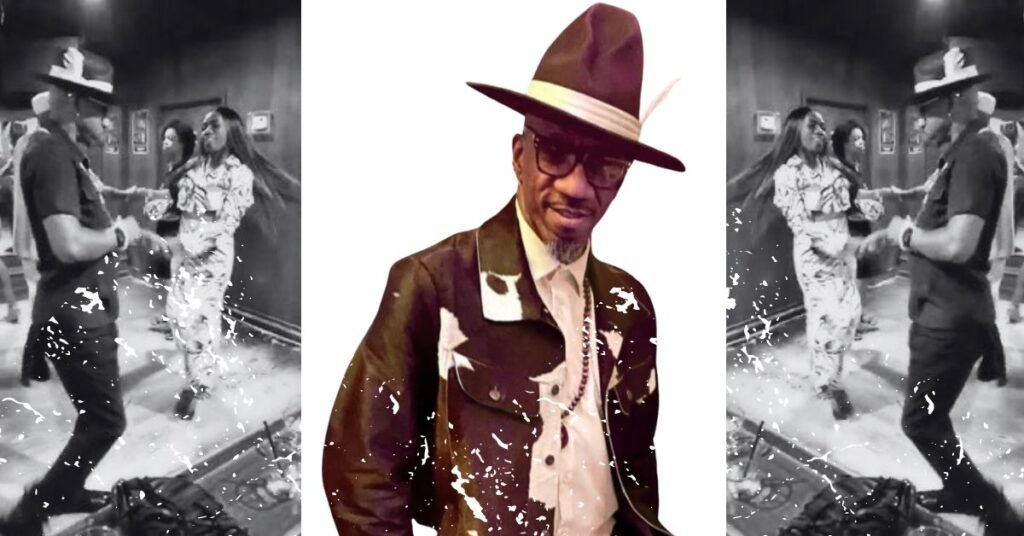


Chicago Stepping has a way of sharpening you in ways you don’t expect. As you learn the dance, you begin developing a deeper awareness—of your movement, of the music, of your partner, and of everything happening around you on the floor. Little by little, the dance teaches you patience, timing, confidence, and flow. Before you realize it, you’re becoming smoother, more present, and more connected to the moment.
Along the way, you will experience incredible moments on the dance floor—moments when the music, the movement, and the connection all come together perfectly. Those moments are unforgettable. But they don’t happen overnight. Every stepper you admire on the wood today once stood exactly where you are now—learning the rhythm, figuring out the timing, and working through the same frustrations and growing pains.
The truth is, the journey to becoming a confident stepper comes with its share of challenges. There are lessons, adjustments, and sometimes humbling experiences that shape you along the way. But those struggles are part of what makes the journey meaningful. They are the stepping stones that turn beginners into dancers who truly understand the culture and the craft.
Because we’ve all walked that road, it’s important to talk openly about it. Understanding the common struggles that steppers face can help you move through them with confidence, patience, and perspective. After gathering community feedback in the livingthe8count group on Facebook, here are eight challenges many steppers encounter on their journey—and why each one is actually a sign that you’re growing into the dance.
8 Common Challenges Learning to Step
1. Finding the right instructor
Sometimes, after weeks or months in a class, you realize you’re not progressing or what’s being taught doesn’t match what you see on the stepper set. That can lead beginners to bounce from instructor to instructor looking for the “real” dance, which only creates confusion. Start with the right instructor—ask experienced steppers for referrals—and stick with one instructor long enough to build a solid foundation.
2. Learning to follow before learning to lead
Most instructors have men learn the follower’s side first. Understanding the follow helps leaders develop better connection, timing, and awareness of what they are leading their partner to do. After weeks or months, the next challenge comes—transitioning from the follower role to leading.
3. Losing the count
Many instructors teach Chicago Stepping using the 123-456-78 count to build rhythm and keep students on beat. It’s helpful to solidify foundation, but the dance isn’t a march. At some point, you have to lose the count, and let the music guide your movement.
4. Adjusting the dance to the music and slowing down
Chicago Stepping isn’t about memorizing patterns or counting numbers—it’s about hearing the music and reacting to it. Many students only learn to mid- or fast-tempo songs, but real growth happens when you slow down. Listen! Is your instructor using slow songs in class? Practice with slower music so you can pause, breathe, and move with the rhythm. It helps to develop timing. And learn how to walk—because walking let’s you slow the dance down and feel the music.

5. Being comfortable with partners and the start off
At first, the start off may seem intimate. In the proper start, the couple stands face to face with the lead’s hand rests on the follower’s waist, while the follower’s hand is placed on the lead’s upper back. You’re standing close, and making eye contact. The start off sets the tone for the entire dance. Couples and singles alike, are encouraged to rotate partners to learn to dance with different body types, styles, and feels. Get comfortable!
6. Handling corrections or being turned down
Corrections outside of class—especially from people you didn’t ask—happen in the stepper set. Being turned down for a dance happens too, even to experienced steppers. It can feel discouraging, but it’s part of the learning process and helps you build resilience. Focus on your instructor and remember: not everyone on the floor is an expert in Chicago Stepping.
7. Flow vs anticipation
Learning to follow requires letting go and trusting the lead, which can be difficult at first. Some followers anticipate moves or become nervous, leading them to move on their own or keep their hands stiff and tense. This makes it harder for the lead to communicate through the connection. Relaxing your hands and settling into the flow improves timing, connection, and communication between partners. Chicago Stepping works best when both dancers stay relaxed and allow the dance to unfold naturally.
8. Not blending different dance styles
Many people learning Chicago Stepping come from other dance styles and may unintentionally blend those movements into the dance. It’s important to learn Chicago Stepping in its pure form first before adding other influences—out of respect for the dance and its history.
TIPS FOR EVERY STUDENT OF THE DANCE
- Classes, Workshops & Privates. Grow through regular classes. Advance to focused workshops, or one‑on‑one private lessons.
- Patience and Mindset. Be open to learning, patient with yourself, and consistent in practice. Stick with it. The work is worth it.
- Build a Solid Foundation. Find an instructor who believes in a solid foundation. Learn your foundation before workshops or privates.
- Different Teaching Approaches. Instructors have different, informal formats to teach. Some emphasize music or counting or patterns or etiquette or technique.
- Practice Practice Practice. To advance and learn quickly, practice outside of class – event solo, to reinforce class lessons.
- Learning Etiquette & History. A good class introduces movement, as well as culture and etiquette. Steppers connect with both the dance and the community culture.