

Steppers Code of Conduct


What is the Code

What experienced steppers understand without being told and what newcomers need clarity on.

What the Code Really Means

The Code is not a set of rules.
It’s not something you memorize or get a certificate for.

The Code is the shared understanding of how Chicago Stepping functions on and off the floor, wherever steppers may be. It’s the difference between taking steps you learn and belonging in the dance. It lives in timing, restraint, awareness, and respect—things you feel long before you can explain them.

If you’ve danced long enough, you know when the Code is present.
And you definitely know when it’s not.

Where the Code Comes From

The Code was not created.
It didn’t come from tips and pointers from workshops, any curriculum for Stepping, or advice from viral videos.

It was shaped on the stepper set—passed down through observation, correction, and example. You learned it by watching who people chose to dance with, who they avoided, and how the floor responded to certain behavior.

Long before Chicago Stepping was packaged as a class or workshop, taught outside of Chicago, or promoted, the culture taught itself.

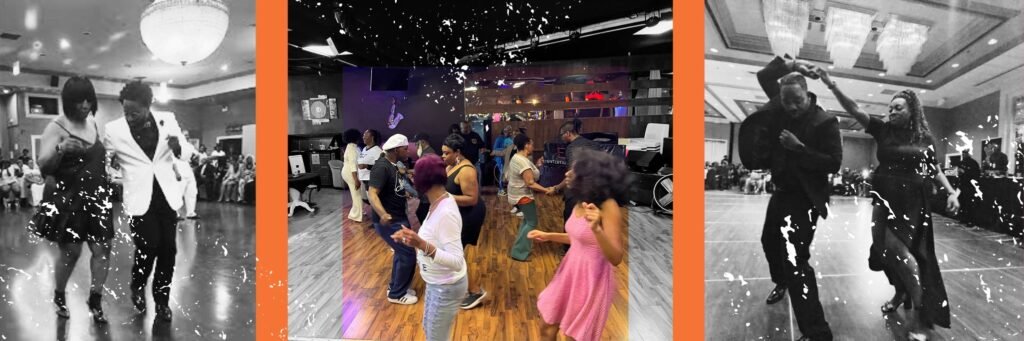
Collage of people dancing in the style Chicago Stepping

Core Principles of the Code

THE CODE ISN’T COMPLICATED, BUT IT IS DEMANDING.

RESPECT THE PARTNER. This is not a solo with a witness. You are responsible for how the other person feels during and after the dance.

RESPECT THE FLOOR. Space matters. Traffic matters. The room matters. Your dance exists within a shared environment, not a vacuum.

RESPECT THE MOMENT. Not every song is an audition. Not every dance needs tricks, drama or escalation.

RESPECT THE CULTURE. You are stepping into something that existed before you and will exist after you. Act accordingly.

RESPECT THE MUSIC. You don’t impose movement on sound. You respond to it. If you’re counting louder than you’re listening, you’re already off.


How the Code Shows Up on the Floor

The Code reveals itself in subtle ways:

You adjust your movement to your partner’s comfort and skill.
You listen for phrasing instead of forcing patterns.
You know when to take space—and when to give it back.
You recover from mistakes without embarrassment or blame.
You end a dance cleanly, without theatrics or ego.
None of this requires explanation. The floor recognizes it immediately.

Common Ways the Code Gets Broken

The Code doesn’t fail quietly—it breaks loudly.

Dancing at someone instead of with them.
Treating social floors like performance stages.
Over-counting and under-listening.
Chasing visibility instead of connection.
Importing norms from other dances without understanding context.

These aren’t technical mistakes. They’re cultural ones.

Learning the Code (Without Someone Handing It to You)

No one owes you the Code. You earn it.

You observe before you participate.
You dance with many partners, not just safe ones.
You listen more than you ask.
You accept correction—even when it’s silent.
You understand that discomfort is part of learning.

The Code isn’t withheld out of exclusion. It’s revealed through engagement.


The Code vs. Rules

Rules can be taught in a class.
The Code is absorbed over time.

You can follow every rule and still miss the culture.
You can break a rule and still honor the Code.

This distinction matters—because Chicago Stepping has always been about feel, not enforcement.


Why the Code Still Matters

The Code protects the integrity of the dance.
It creates safety and trust on the floor.
It preserves regional identity while allowing evolution.
It keeps Chicago Stepping social, not extractive.

Culture survives because people defend what matters—quietly and consistently.


Why the Code for Steppers

This Code for Chicago Steppers isn’t written to control any stepper. The code exists to remind you that Chicago Stepping was never about being seen. It was always about belonging.

Culture survives because people defend what matters—quietly and consistently.

Know Etiquette: Step with Confidence & Respect

From introducing yourself to respecting your partner, these 35 Rules of Etiquette in Chicago Stepping On the Set are the foundation of respected dancers and instructors in the Stepping community. No fluff—just what really works and should be taught in every class.

Scroll to Top