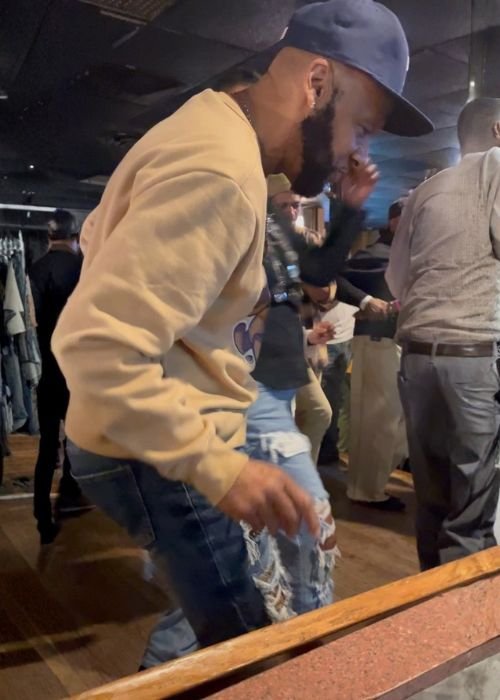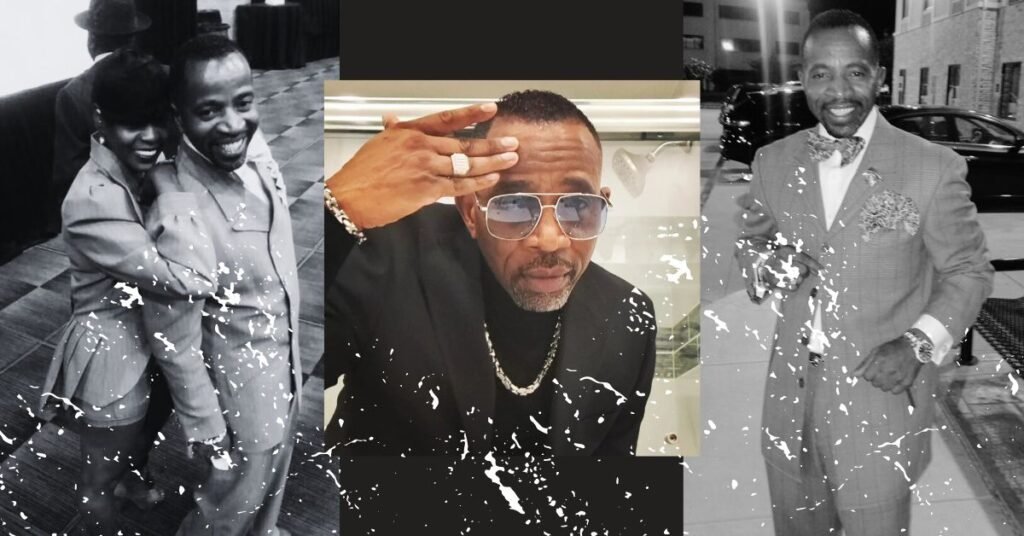

A Whole Culture in Motion

Chicago Stepping unites a vibrant community around music, dance, and shared experience. At its heart, this culture was created by steppers themselves, shaped over decades through tradition, expression, and social connection. In other words, the culture isn’t something that just happensit grows through people, history, and shared moments. Chicago Stepping mirrors Black life the way it’s actually lived: through storytelling, socializing, memory, and shared experience. The dance floor becomes a living archive—where heritage isn’t recited, it’s embodied.
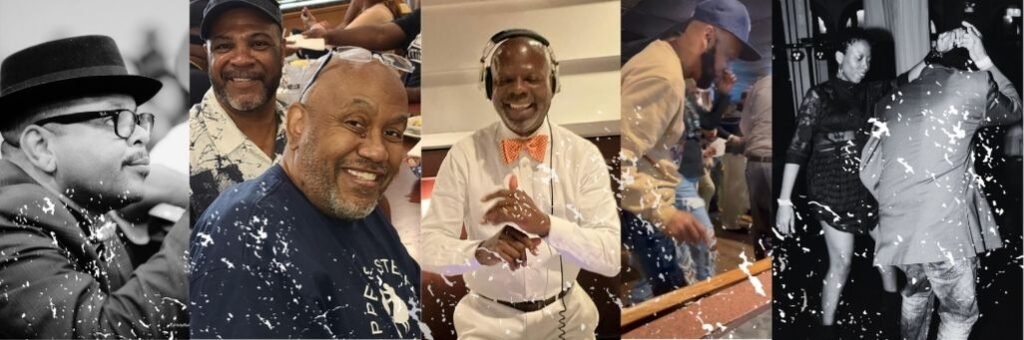
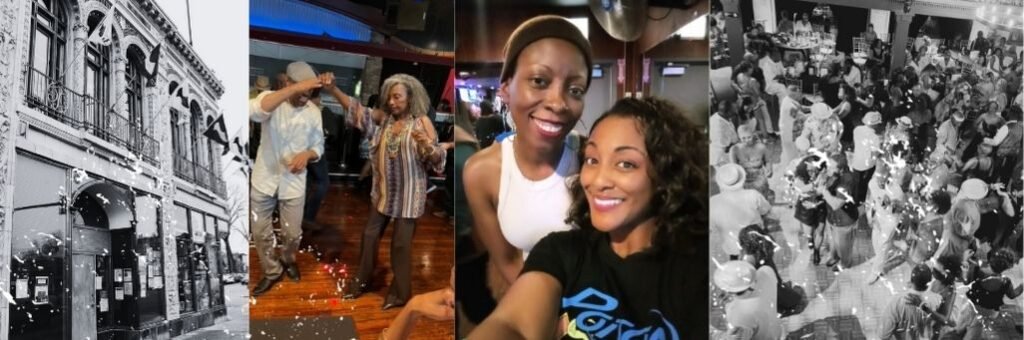
Collage of moments on the stepper set
Collage of moments on the stepper set 2
“It’s a dance culture created by the urban youths of Chicago, led by one of the greatest DJ’s in Chicago’s history, DJ Sam Chatman who gave kids a platform to express themselves and dance which at that time was a battle dance challenging each other of who was better a footwork, spins and turns in a battle perspective … and who could lead and who could follow … that transcended into what we have today from the catalyst of R Kelly , who made the song Step in the Name of Love which catapulted the dance to make it universal across the count……..with one mainstream song that catapulted it across the country.”
Josiah Burt

FIND ON THIS PAGE:

THE MINDSET OF A STEPPER

Chicago Stepping Is About Respect

RESPECT THE PARTNER

RESPECT THE FLOOR

RESPECT THE MOMENT

RESPECT THE CULTURE

RESPECT THE MOVEMENT

STYLE, ENERGY & PRESENCE

How the Culture Expresses Itself
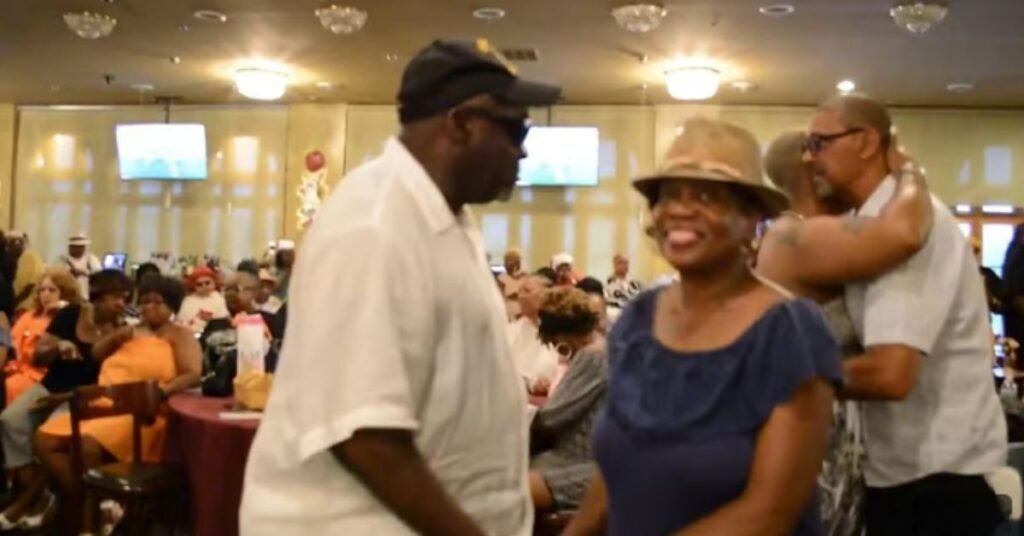
The stepper set is the central gathering space—the community’s commons. It’s where people show up, are seen, and are measured -whether or not you like it or want to admit it. Chicago Stepping is a social partner dance, not a performance routine. The priority is connection, awareness, and mutual respect.

Partners change. Improvisation is expected. Pantomime is supposed to come naturally. Within a shared structure, dancers create in real time—listening to the music, responding to each other, and reading the floor. Mastery isn’t about memorizing steps; it’s about control, timing, and presence.

Etiquette matters. Staying in your lane, protecting your partner, and respecting the flow of the floor aren’t optional—they’re cultural rules that keep the space functional and honorable.

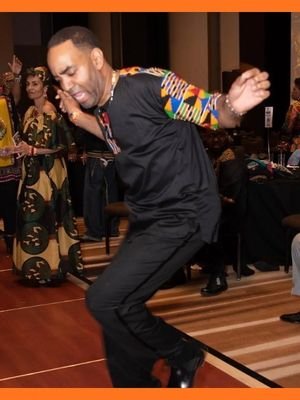
Style is woven into the culture. How you present yourself signals respect for the space and for the people in it. Fashion isn’t superficial—it’s communicative.

You will hear the term stepper sharp. The stepper Sharp dress code reflects pride, self-definition, and an understanding of community norms. Individual flair is encouraged, but it lives within an unspoken code. The look says: I belong here, and I take this seriously.

Chicago Stepping has its own rituals—weekly sets, annual weekends, signature songs that trigger recognition across generations. There’s also a shared language: how dancers invite, how they decline, how they correct, how they acknowledge skill without spectacle.

These rituals and codes preserve continuity. They let newcomers learn without formal instruction and allow veterans to pass knowledge without lectures. Respect is taught by example, not enforcement.

The culture is held together by informal leadership from different directions—DJs, promoters, instructors, hosts, media influencers, and respected dancers. Some leaders have national influence and create community politics. One long-standing debate is its influence on contest wins. Social groups support and promote the dance in different neighborhoods and cities. Steppers travel and proliferate shared philosophies of the dance.

Debates are a natural part of the ecosystem and foster continuous dialogue: music selection, teaching methods, evolution vs. tradition, who gets space, and who doesn’t. These tensions aren’t weaknesses—they’re signs of a living culture negotiating its future.

Events and gatherings are defining moments created by the work and collaboration of informal leadership. They reinforce bonds, spotlight individual expression, and keep the culture active beyond any single city or generation.

Music is the engine of the dance. Steppers tracks span decades—soul, R&B, jazz-influenced grooves, and deep cuts rarely heard on mainstream radio. DJs are cultural curators, not background noise providers.

The music dictates everything – the pace, the mood, and the art of conversation between partners. There are crowd favorites that DJs have played for decades that still move steppers to the dance floor instantly. That shared recognition is cultural memory in motion.

On the Floor

The stepper set is the central gathering space—the community’s commons. It’s where people show up, are seen, and are measured -whether or not you like it or want to admit it. Chicago Stepping is a social partner dance, not a performance routine. The priority is connection, awareness, and mutual respect. Partners change. Improvisation is expected. Pantomime is supposed to come naturally. Within a shared structure, dancers create in real time—listening to the music, responding to each other, and reading the floor. Mastery isn’t about memorizing steps; it’s about control, timing, and presence. Etiquette matters. Staying in your lane, protecting your partner, and respecting the flow of the floor aren’t optional—they’re cultural rules that keep the space functional and honorable.

In Presentation

Style is woven into the culture. How you present yourself signals respect for the space and for the people in it. Fashion isn’t superficial—it’s communicative. You will hear the term stepper sharp. The stepper Sharp dress code reflects pride, self-definition, and an understanding of community norms. Individual flair is encouraged, but it lives within an unspoken code. The look says: I belong here, and I take this seriously.

Rituals & Language

Chicago Stepping has its own rituals—weekly sets, annual weekends, signature songs that trigger recognition across generations. There’s also a shared language: how dancers invite, how they decline, how they correct, how they acknowledge skill without spectacle. These rituals and codes preserve continuity. They let newcomers learn without formal instruction and allow veterans to pass knowledge without lectures. Respect is taught by example, not enforcement.

Community Politics

The culture is held together by informal leadership from different directions—DJs, promoters, instructors, hosts, media influencers, and respected dancers. Some leaders have national influence and create community politics. One long-standing debate is its influence on contest wins. Social groups support and promote the dance in different neighborhoods and cities. Steppers travel and proliferate shared philosophies of the dance. Debates are a natural part of the ecosystem and foster continuous dialogue: music selection, teaching methods, evolution vs. tradition, who gets space, and who doesn’t. These tensions aren’t weaknesses—they’re signs of a living culture negotiating its future. Events and gatherings are defining moments created by the work and collaboration of informal leadership. They reinforce bonds, spotlight individual expression, and keep the culture active beyond any single city or generation.

The Music

The culture is held together by informal leadership from different directions—DJs, promoters, instructors, hosts, media influencers, and respected dancers. Some leaders have national influence and create community politics. One long-standing debate is its influence on contest wins. Social groups support and promote the dance in different neighborhoods and cities. Steppers travel and proliferate shared philosophies of the dance. Debates are a natural part of the ecosystem and foster continuous dialogue: music selection, teaching methods, evolution vs. tradition, who gets space, and who doesn’t. These tensions aren’t weaknesses—they’re signs of a living culture negotiating its future. Events and gatherings are defining moments created by the work and collaboration of informal leadership. They reinforce bonds, spotlight individual expression, and keep the culture active beyond any single city or generation.

Perspectives on the Culture

A closer look at the ideas, behaviors, and viewpoints that shape the culture beyond the dance itself, including how people relate to one another on the stepper set. The stories change, but the conversations about how we show up, how style is defined, and how relationship dynamics are navigated continue to honor us and stay relevant.

STEPPING ON THE MOVE

Rooted in Chicago. Moving Everywhere.

What began on Chicago floors did not stay there and expanded through the people who carried it. As steppers traveled, connected, and shared what they knew, the dance began to take root in other cities. Through instruction, relationships, and community-building, the dance found new homes across the country—while remaining grounded in its Chicago foundation.

Today, Stepping lives in cities across the United States—carried by the music, protected by the people, and expressed on dance floors far beyond its birthplace. Call it Chicago Stepping. Call it Stepping. What matters is for the foundation to remain intact while the community grows. From immersive weekend events to stepping contests, from hotel ballrooms to local venues for stepper sets in neighborhoods, the experience shows up wherever dancers gather.

Each experience offers moments where you can expect to leave inspired, exhausted in the best way, and carrying stories you’ll be telling—and posting about—for years to come.

The floor may change. The zip code may change. The culture and the dance move with the people.
” “

Absorb the Culture

LivingThe8Count exists to document and share the Chicago Stepping culture, giving newcomers clarity and seasoned steppers a true mirror of the world they move in. Get on the inside of the culture.

Insider Perks: Learn the history, connect with steppers, and more.

Become a LivingThe8Count Insider

Scroll to Top